

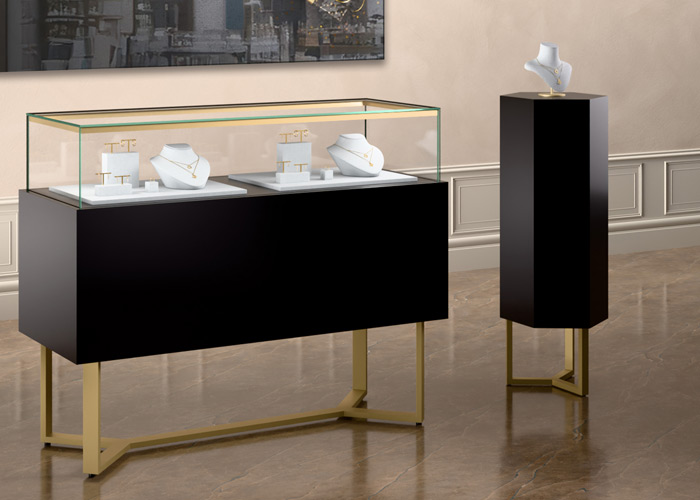
Jewelry display cases play a critical role in any retail environment, serving as both protective storage and a marketing tool. However, the needs of small boutique shops differ significantly from those of large retail stores. Understanding these differences is essential for selecting the right Jewelry Display Case to meet the unique requirements of your business, whether you are managing a compact boutique or a spacious department store.
Space Utilization in Small Boutiques
Small boutique jewelry stores often operate within limited floor space, making efficient use of every inch a necessity. Display cases in these environments must balance functionality with aesthetics to create a visually appealing and organized shopping experience. Freestanding or wall-mounted display cases are common choices for small stores, as they can be tailored to fit specific areas without crowding the floor. Retailers often choose Jewelry Display Case solutions because they can be customized to maximize available space while showcasing products effectively. Compact displays with vertical shelving or tiered trays allow small boutiques to highlight a diverse range of items without compromising accessibility or elegance.
Display Strategies for Large Stores
Large jewelry retailers have the advantage of more floor space, allowing for expansive display layouts that can accommodate a broader inventory. In these environments, display cases are often larger, modular, and designed to create distinct zones for different types of jewelry, such as rings, necklaces, bracelets, and watches. Large stores can incorporate freestanding islands, long counters, and wall-mounted units that guide customers through the space while providing easy access to merchandise. High-traffic areas benefit from strategically placed cases that highlight premium or seasonal collections, drawing customer attention and encouraging exploration throughout the store.
Customization and Brand Identity
Both small and large stores benefit from custom-designed display cases, though the approach differs depending on scale. In small boutiques, customization focuses on maximizing space efficiency and creating a unique, intimate shopping environment. Compact cases with adjustable shelves, modular inserts, and built-in lighting allow boutique owners to showcase high-value items prominently. For larger stores, customization often emphasizes branding, visual consistency, and thematic displays that reinforce the store’s identity across multiple sections. Custom finishes, integrated lighting, and coordinated materials create a cohesive experience, ensuring that every display aligns with the brand while accommodating large volumes of inventory.
Security Considerations
Security is a priority for all jewelry retailers, regardless of store size. However, the approach may differ. Small boutiques may rely on compact display cases with lockable compartments, reinforced glass, and discreet alarm systems to protect their inventory in a smaller space. Large stores, on the other hand, may need a more comprehensive security strategy that combines secure cases with surveillance systems, staff monitoring, and strategic placement throughout expansive areas. In both cases, selecting a Jewelry Display Case with strong locking mechanisms, tempered glass, and anti-tip features is essential to safeguard valuable merchandise effectively.
Lighting and Visibility
Effective lighting enhances the appeal of jewelry, and display case selection should reflect this requirement. Small boutiques often use integrated LED lighting within compact cases to highlight products without overwhelming the space. Adjustable spotlights and tiered trays ensure that each piece receives attention, even in limited floor areas. Large stores, by contrast, can incorporate more elaborate lighting schemes, including overhead illumination, under-counter lights, and accent lighting within cases to create dramatic focal points. In both settings, proper lighting not only enhances the visual appeal of jewelry but also guides customer attention to featured or high-margin items.
Flexibility and Adaptability
Jewelry display needs can evolve over time, so flexibility is an important factor when selecting display cases. Small boutiques benefit from modular and adjustable units that can be reconfigured to accommodate seasonal collections or new arrivals without requiring additional floor space. Large stores require flexible cases to allow for merchandising changes across different sections, ensuring that displays remain visually engaging and functional. In both scenarios, investing in adaptable cases maximizes the return on investment and keeps the store layout fresh and inviting.
Conclusion
Choosing the right Jewelry Display Case depends heavily on the size and layout of your retail space. Small boutiques prioritize compact, efficient, and customizable solutions that make the most of limited space while maintaining a luxurious and accessible presentation. Large stores, on the other hand, leverage expansive layouts, modular designs, and thematic displays to showcase larger inventories and reinforce brand identity. Regardless of store size, key considerations include security, lighting, visibility, and flexibility. By selecting display cases tailored to their specific environment, retailers can create an attractive, functional, and secure shopping experience that enhances customer engagement and drives sales.