

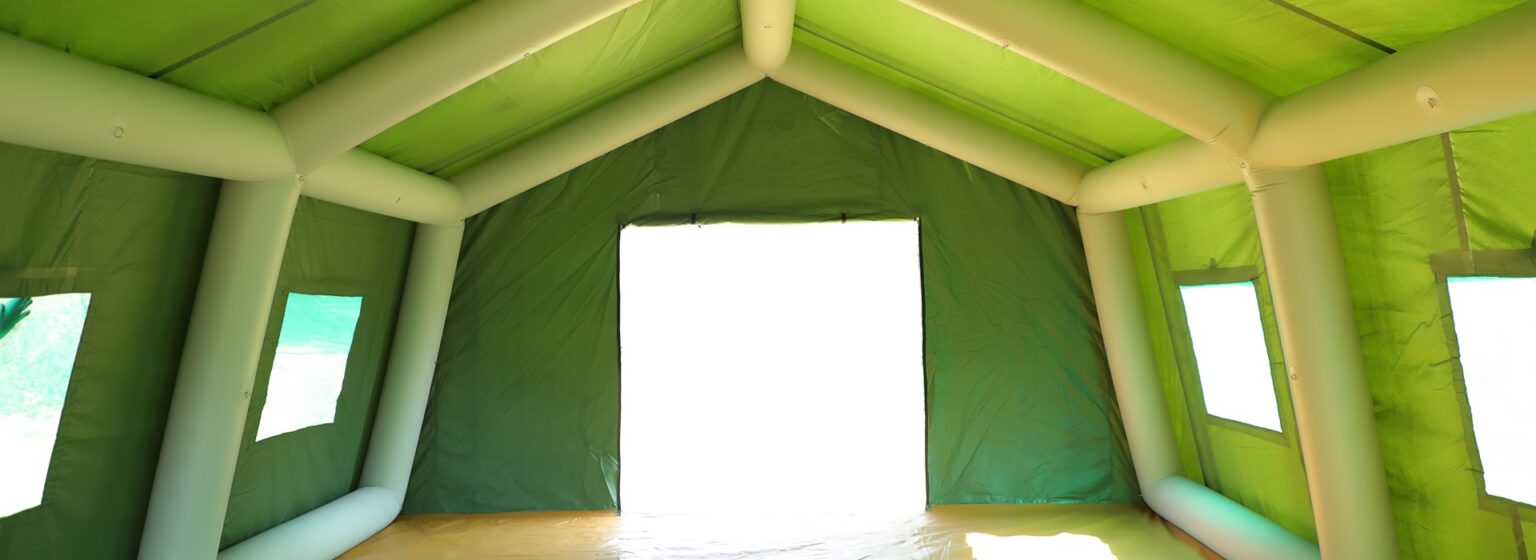
Inflatable tents have gained significant popularity for their versatility, portability, and rapid deployment. They are widely used for outdoor events, emergency relief, military operations, and recreational activities. While these tents offer convenience, their effectiveness largely depends on their strength and ability to withstand various weather conditions. To ensure safety, durability, and reliability, Inflatable Tent Manufacturers employ rigorous testing procedures designed to evaluate structural integrity and environmental performance. Understanding these testing methods is essential for buyers and users who rely on these tents in critical applications.
As the demand for high-performance inflatable tents increases, manufacturers are constantly refining their testing protocols. Businesses and organizations looking for quality tents often evaluate different Inflatable Tent Manufacturers to ensure they meet both structural and environmental standards. Resources such as Inflatable Tent Manufacturers provide insights into leading manufacturers, their testing methodologies, and adherence to industry benchmarks. Comprehensive testing not only verifies product quality but also builds confidence in the tent’s performance under challenging conditions.
Structural Strength Testing
The first step in testing inflatable tents is assessing structural strength. Manufacturers simulate real-world loads and pressures to evaluate the tent’s ability to maintain its shape and stability. This involves inflating the tent to operational pressure and monitoring air beams and walls for stress points, deformation, or leaks. High-stress zones such as corners, seams, and anchor points are closely examined because these areas are most vulnerable to failure. Additional reinforcement may be added to ensure the tent withstands heavy usage and external pressures.
Load-bearing tests are conducted to determine how much weight the tent can safely support. This includes applying downward pressure on roofs and walls to simulate snow accumulation, hanging weights to test attachment points, and examining internal partitions for strength. Advanced tents with multiple air chambers undergo independent testing for each section to ensure redundancy and reliability. These assessments guarantee that the tent can handle physical stress without compromising safety.
Material Testing and Fabric Durability
Material selection is crucial for both strength and weather resistance. Inflatable tents typically use PVC-coated polyester or TPU fabrics, which provide a combination of flexibility, tensile strength, and airtight performance. Manufacturers conduct fabric tensile tests to measure the material’s resistance to stretching, tearing, and punctures. Abrasion tests simulate wear and tear during setup, transportation, or prolonged outdoor use. Fire-retardant tests ensure the material meets safety standards, while UV resistance tests confirm long-term exposure to sunlight does not degrade performance.
Seam strength is equally critical. High-frequency welding or hot-air welding is used to create airtight and durable seams. These seams are tested under pressure, stretching, and bending to ensure they maintain integrity during repeated inflation cycles and extreme weather conditions. Failure of seams can compromise air retention and structural stability, making these tests a vital part of the manufacturing process.
Weather Resistance Testing
Weather resistance testing ensures that inflatable tents perform reliably in varying environmental conditions. Wind tunnel tests simulate different wind speeds and directions, evaluating the tent’s ability to remain anchored and upright. Anchoring points, ballast systems, and the air beam structure are assessed to ensure stability in gusty conditions. Heavy rainfall simulations test the waterproofing of fabrics, seam sealing, and drainage systems. Manufacturers also expose tents to snow load conditions to verify structural resilience under weight accumulation.
Temperature testing evaluates performance in extreme heat or cold. Fabrics may expand or contract in varying temperatures, affecting airtightness and flexibility. Controlled temperature chambers allow manufacturers to simulate seasonal extremes, ensuring tents maintain stability and usability in both tropical heat and subzero conditions.
Functional Testing and Usability
In addition to strength and weather resistance, usability testing is conducted. This includes repeated inflation and deflation cycles to assess air retention and valve performance. Zippers, doors, and windows are tested for durability and smooth operation. Ventilation systems are evaluated to ensure airflow does not compromise structural integrity. These tests confirm that tents remain safe and functional during repeated deployments and extended use.
Certification and Compliance
Many manufacturers subject their tents to international safety and performance standards. Certifications may cover fire safety, structural stability, waterproofing, UV protection, and environmental sustainability. Documented compliance provides assurance to buyers and regulatory authorities that the tents meet stringent safety and durability requirements. It also serves as a benchmark for comparing products across different manufacturers.
Conclusion
Testing strength and weather resistance is a critical part of inflatable tent manufacturing. From structural assessments and material durability checks to wind, water, and temperature simulations, every stage of testing ensures that tents are reliable, safe, and capable of withstanding challenging conditions. Buyers can make informed decisions by understanding these testing processes and choosing tents from reputable Inflatable Tent Manufacturers. Rigorous testing not only protects users but also extends the lifespan and performance of inflatable tents in diverse applications.