

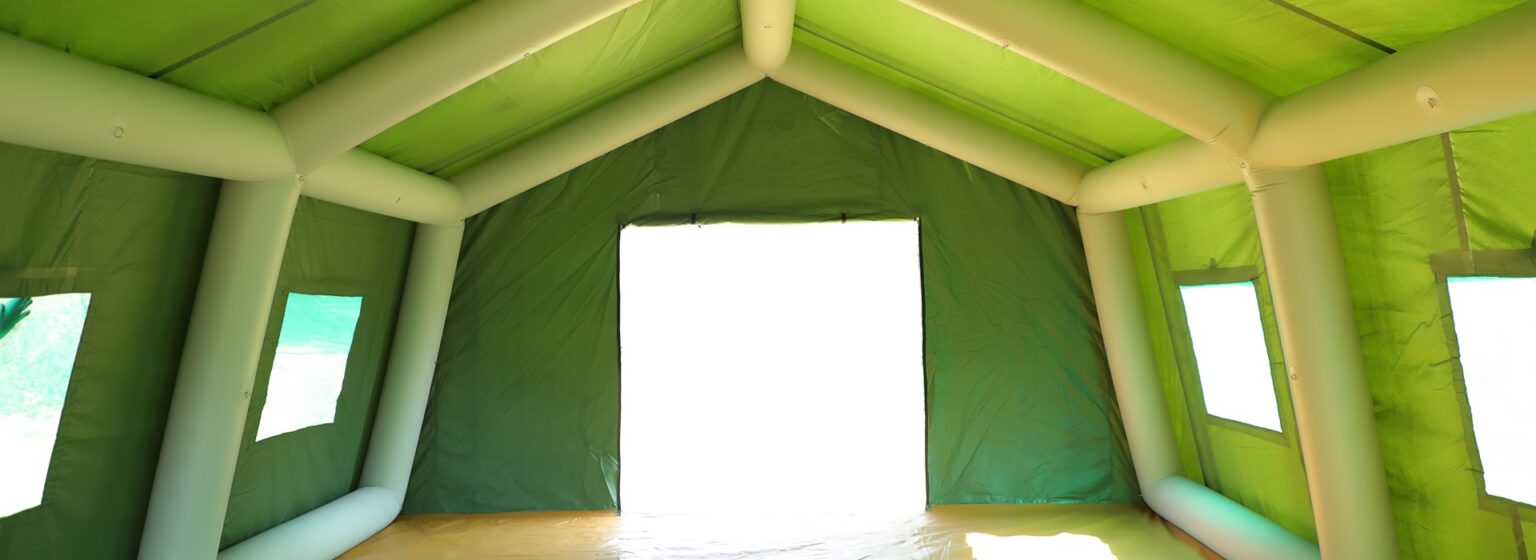
Inflatable tents are widely used across the globe for recreational, promotional, and commercial purposes due to their portability, ease of setup, and durability. With the increasing demand for high-quality tents, manufacturers are expected to comply with international standards to ensure safety, performance, and reliability. Meeting these requirements involves a combination of strict material selection, advanced manufacturing practices, and comprehensive quality assurance measures. Inflatable tent factories adopt systematic procedures to produce tents that adhere to global quality benchmarks.
Material Compliance and Standards
One of the primary steps in meeting international quality requirements is the selection of materials that comply with recognized standards. Fabrics such as PVC-coated polyester, nylon, and oxford cloth are commonly used for outer shells, while inflatable chambers are often made from thermoplastic polyurethane (TPU) or reinforced PVC. These materials are evaluated for properties like water resistance, tear strength, UV protection, and fire retardancy. An Inflatable Tent Factory ensures that all raw materials meet international certifications and regulatory requirements, providing a strong foundation for the production of safe and durable tents.
Design and Engineering Standards
International quality standards extend beyond materials to the design and engineering of tents. Factories use computer-aided design (CAD) software to develop precise models, including chamber layout, valve placement, and overall dimensions. Engineering simulations test structural stability, air pressure distribution, and environmental resilience under conditions such as wind, rain, and UV exposure. By following international design guidelines, factories can ensure that inflatable tents are structurally sound and safe for public use. Prototype testing is conducted to validate these designs before moving to full-scale production.
Advanced Manufacturing Practices
Meeting global quality requirements also involves advanced manufacturing processes. Automated cutting machines, high-frequency welding equipment, and robotic assembly lines help maintain precision and consistency in every product. Welding techniques, in particular, ensure airtight seams and durable joints, which are essential for inflatable structures. Skilled operators monitor each step to detect defects and maintain adherence to international quality standards. By combining technology and expertise, factories reduce errors and produce tents that meet the performance expectations of international clients.
Quality Control and Inspection
Comprehensive quality control is central to ensuring that tents meet international requirements. Factories implement multi-stage inspection procedures that cover raw materials, assembly, welding, and final products. Tests include leak detection, seam strength verification, inflation performance, and environmental simulations such as wind and water resistance. Automated testing systems complement manual inspections to ensure that no defects go unnoticed. This rigorous approach ensures that every tent leaving the factory is safe, durable, and compliant with global standards.
Certification and Documentation
To meet international quality requirements, inflatable tent factories also focus on certification and documentation. Products are tested in accordance with ISO standards and other recognized certifications for safety and material compliance. Documentation includes detailed test reports, material certifications, and assembly records, which are essential for verification by regulatory authorities and international clients. These certifications demonstrate a factory’s commitment to quality and allow tents to be exported to diverse markets with confidence.
Customization and International Client Needs
Factories that adhere to international standards can also provide customized solutions without compromising quality. For promotional events or commercial applications, tents may require specific branding, additional ventilation, or tailored dimensions. Factories ensure that these modifications comply with safety and performance requirements by integrating design simulations, material testing, and assembly inspections into the workflow. This flexibility allows factories to meet diverse global client requirements while maintaining consistent quality.
Continuous Improvement and Training
Maintaining compliance with international standards is an ongoing process. Inflatable tent factories invest in staff training, process optimization, and technology upgrades to continuously improve production quality. Regular audits, equipment calibration, and adoption of new materials or techniques help factories stay aligned with evolving global standards. This commitment to continuous improvement ensures that tents remain safe, reliable, and competitive in international markets.
Conclusion
Meeting international quality requirements involves a holistic approach, encompassing material compliance, design standards, advanced manufacturing practices, rigorous quality control, certification, and continuous improvement. By implementing these measures, modern Inflatable Tent Factory operations produce tents that are safe, durable, and suitable for global distribution. Adhering to international standards not only enhances product reliability but also builds customer trust, ensuring that inflatable tents meet the diverse demands of recreational, commercial, and promotional applications worldwide.