

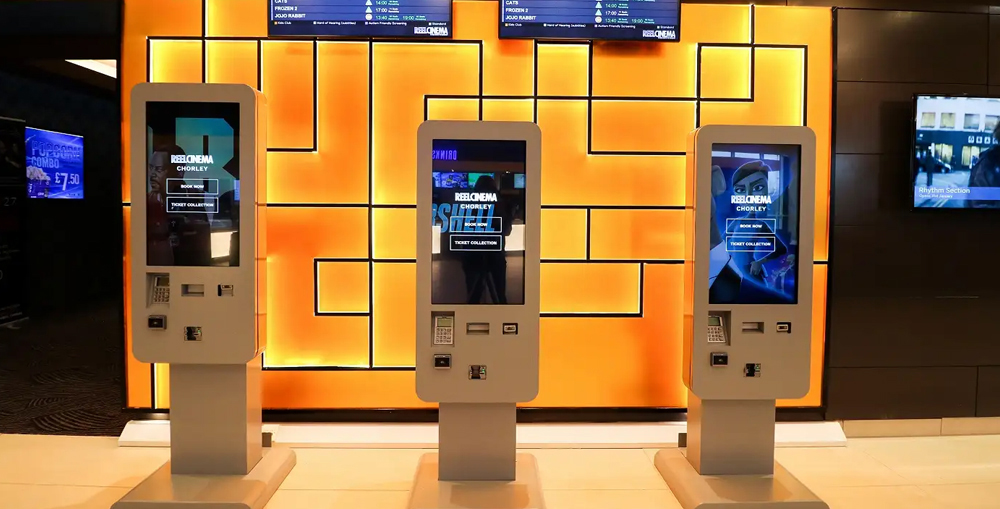
Self-service kiosks have transformed the way businesses interact with customers, providing faster transactions, improved service efficiency, and enhanced user experiences. As technology advances and customer expectations evolve, the design of these kiosks is also undergoing significant changes. The future of self-service kiosks lies in innovative design, smarter technology integration, and adaptability to diverse business needs.
The Role of Custom Self Service Kiosk Manufacturers
A Custom Self Service Kiosk allows businesses to implement tailored solutions that align with their operational requirements and customer engagement goals. Unlike standard kiosks, custom designs provide flexibility in both hardware and software, enabling businesses to address unique service challenges while enhancing the overall user experience. Manufacturers are now focusing on developing kiosks that are not only functional but also scalable, secure, and capable of integrating advanced technologies.
By collaborating with experienced manufacturers, businesses can incorporate features that address specific customer interactions, brand identity, and operational workflows. These advancements make kiosks more versatile, efficient, and aligned with the needs of a dynamic business environment.
Advanced User Interfaces
One of the most significant developments in kiosk design is the evolution of user interfaces. Future kiosks will focus on creating more intuitive, interactive, and personalized experiences. Touchscreens will become more responsive and may incorporate gesture recognition, voice commands, and even eye-tracking technologies.
These advanced interfaces allow customers to interact with kiosks naturally and efficiently, reducing learning curves and improving satisfaction. In addition, adaptive interfaces can adjust to user preferences, displaying content in the preferred language, format, or style, making kiosks more accessible to diverse audiences.
Integration of Artificial Intelligence
Artificial intelligence (AI) is expected to play a major role in the next generation of kiosk design. AI can analyze user behavior in real time, providing personalized recommendations, guiding navigation, and anticipating customer needs.
For example, retail kiosks could suggest products based on previous purchases or current selections, while hospitality kiosks might offer personalized services such as room upgrades or menu suggestions. AI integration not only enhances customer experience but also provides businesses with valuable data for improving service efficiency and optimizing operations.
Improved Connectivity and Cloud-Based Solutions
Future kiosks will increasingly rely on cloud-based systems and connectivity to offer seamless integration across multiple locations. Cloud platforms allow centralized management of software updates, transaction data, inventory, and customer insights.
This connectivity ensures that kiosks remain synchronized with a company’s overall operations and can be easily monitored and maintained remotely. Businesses can deploy kiosks across multiple locations while maintaining consistency in user experience, operational efficiency, and system reliability.
Flexible and Modular Hardware
Another trend in kiosk design is the move toward flexible and modular hardware. Modular kiosks allow businesses to upgrade components such as screens, payment terminals, printers, or scanners without replacing the entire unit.
This flexibility reduces long-term costs, extends the lifespan of kiosks, and allows adaptation to changing business needs. For example, a kiosk initially designed for ticketing can be upgraded to support product sales or loyalty program integration with minimal disruption.
Sustainability and Energy Efficiency
Sustainability is increasingly influencing kiosk design. Manufacturers are focusing on energy-efficient components, recyclable materials, and designs that reduce environmental impact. Future custom self-service kiosks may feature low-power displays, energy-saving processors, and modular construction to reduce material waste.
By prioritizing sustainability, businesses not only reduce operational costs but also demonstrate environmental responsibility, which can enhance brand image and appeal to eco-conscious consumers.
Enhanced Security Features
As kiosks handle sensitive customer data and financial transactions, security will remain a critical aspect of future design. Manufacturers are incorporating advanced encryption, secure authentication, and tamper-resistant enclosures to ensure data protection.
Biometric verification, facial recognition, and token-based payment options are expected to become standard features, reducing fraud risks and building trust with users. These security measures are essential for industries such as banking, healthcare, and transportation, where data integrity and privacy are critical.
Conclusion
The future of custom self-service kiosk design is characterized by advanced interfaces, AI integration, cloud connectivity, modular hardware, sustainability, and robust security. These developments aim to create kiosks that are more versatile, efficient, and capable of delivering exceptional customer experiences.
By investing in a custom self-service kiosk, businesses can implement solutions that are tailored to their specific needs, adaptable to future innovations, and capable of supporting scalable operations. As technology continues to evolve, these kiosks will become even more interactive, intelligent, and indispensable tools for improving efficiency, enhancing customer engagement, and driving business growth.