

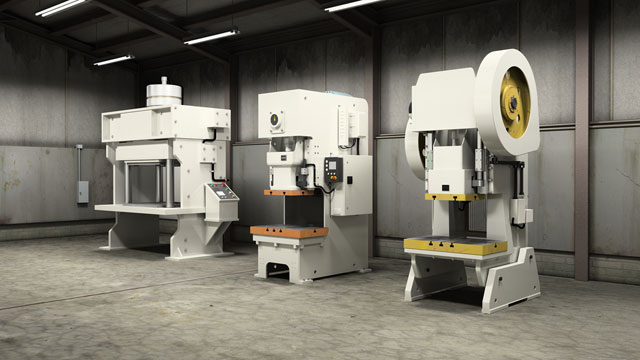
A power press is a fundamental machine in modern manufacturing, widely used for shaping, cutting, and forming metals with precision. Its efficiency and productivity play a critical role in determining overall output quality and production costs. Understanding the factors that affect the performance of a power press is essential for manufacturers to optimize operations, extend equipment lifespan, and maintain workplace safety. Several variables, ranging from machine design to operational practices, influence how effectively a power press performs its tasks.
A Power Press is designed to apply a controlled amount of force to a workpiece, using a punch and die system. For industrial-grade models and configurations, detailed information can be found at Power Press. The performance of the press depends not only on its mechanical or hydraulic capabilities but also on external and operational factors. Recognizing these factors helps operators, maintenance teams, and engineers make informed decisions to enhance productivity and prevent equipment damage.
Machine Design and Build Quality
One of the most significant factors affecting a power press’s performance is its design and build quality. The frame rigidity, ram alignment, and drive mechanism determine how well the press handles force and stress. A well-built machine with a strong frame reduces vibrations and ensures consistent force transmission, which is critical for precision operations. Conversely, a poorly designed press may experience deflection or misalignment, leading to uneven material forming, die wear, and compromised product quality.
The type of power press—mechanical or hydraulic—also influences performance. Mechanical presses provide high-speed operations ideal for repetitive tasks, while hydraulic presses offer precise control over force and stroke, making them suitable for deep drawing and specialized applications. Selecting the right press based on production needs is crucial for optimizing performance.
Condition of Tooling and Dies
The quality and condition of dies and tooling directly impact the efficiency and output of a power press. Worn, chipped, or misaligned tools can reduce the accuracy of operations, increase scrap rates, and place additional stress on the press. Regular inspection, sharpening, and proper storage of tooling are essential practices to maintain consistent performance. Using high-quality materials for dies and ensuring correct alignment with the ram can extend both tool and machine life.
Lubrication and Maintenance
Proper lubrication and maintenance are critical to the smooth operation of a power press. Friction between moving parts, such as bearings, slides, and gears, can significantly reduce efficiency if lubrication is inadequate. Scheduled maintenance, including oil checks, bearing lubrication, and inspection of hydraulic fluids, ensures that the press operates within designed parameters. Neglecting these practices can lead to increased wear, overheating, and even mechanical failure.
Operator Skill and Training
The performance of a power press is also influenced by the skill and experience of the operator. Proper setup, correct use of controls, and adherence to safety protocols affect both productivity and equipment longevity. Skilled operators can detect irregularities, adjust feed rates, and optimize stroke settings to maintain consistent output quality. In contrast, untrained personnel may inadvertently apply incorrect settings, causing tool damage, misalignment, or increased machine stress.
Material Properties and Workpiece Characteristics
The type of material being processed plays a significant role in determining how a power press performs. Factors such as thickness, hardness, tensile strength, and ductility of the workpiece affect the required force, stroke, and speed of operation. Harder materials may require greater force and more robust tooling, while softer materials may be prone to deformation if excessive force is applied. Understanding material characteristics allows operators to adjust press settings for optimal performance and minimal wear.
Environmental and Operational Conditions
Environmental conditions such as temperature, humidity, and cleanliness of the workspace can influence press performance. Excessive dust or debris can accumulate on moving parts, leading to friction and wear. High humidity may cause corrosion in metal components, reducing machine reliability. Consistently maintaining a clean, controlled environment and adhering to recommended operating conditions helps ensure that the press performs efficiently over time.
Speed and Load Settings
The operational speed and load applied to the press are key factors affecting its efficiency and lifespan. Operating a press at speeds higher than recommended or overloading it beyond its rated capacity can cause excessive stress on the frame, ram, and drive system. This may result in premature wear, decreased accuracy, and potential safety hazards. Following manufacturer guidelines for speed and load limits ensures consistent, safe, and high-quality output.
Conclusion
The performance of a power press depends on a combination of machine design, tooling quality, maintenance practices, operator skill, material characteristics, and operational conditions. By understanding and monitoring these factors, manufacturers can optimize productivity, reduce downtime, and extend the life of their equipment. Consistent adherence to best practices ensures that the power press remains a reliable and efficient tool, capable of meeting the demanding requirements of modern industrial operations.