

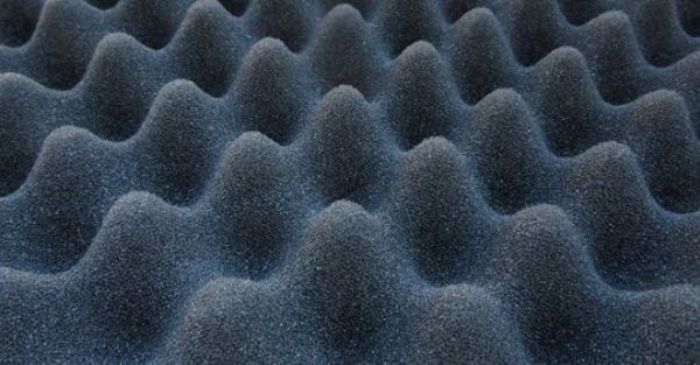
Polyurethane (PU) foam is a versatile material widely used in industries such as automotive, furniture, construction, refrigeration, and packaging. The demand for high-quality foam products continues to rise, making production efficiency a critical factor for manufacturers. Efficient operations not only reduce costs but also improve product quality, minimize waste, and enhance profitability. Polyurethane foaming machine manufacturers play a crucial role in optimizing production processes by integrating advanced machinery, automation, and innovative technologies.
Leading Polyurethane Foaming Machine Manufacturers focus on designing equipment that maximizes throughput while maintaining consistency and precision. These manufacturers employ various strategies, from automated systems to optimized chemical handling, ensuring that every stage of foam production is streamlined. By improving efficiency, companies can meet high-volume production demands and maintain competitive advantages in the marketplace.
Automation and Smart Control Systems
Automation is one of the most effective ways manufacturers improve production efficiency. Modern PU foaming machines come equipped with programmable logic controllers (PLCs) and touchscreen interfaces, allowing operators to monitor and control the production process with minimal manual intervention. Automated systems regulate chemical mixing, pressure, temperature, and dispensing, ensuring consistent foam quality across batches.
Smart control systems can also adjust machine parameters in real-time based on production conditions. Sensors detect variations in material flow, viscosity, or temperature and automatically optimize the process. This reduces the likelihood of defects, minimizes raw material waste, and enhances overall production efficiency.
Precision Chemical Metering and Mixing
Accurate metering and mixing of polyurethane components are essential for producing high-quality foam. Polyurethane foaming machine manufacturers utilize high-precision pumps and mixing heads to deliver the exact ratios of polyol and isocyanate required for each formulation. Proper mixing ensures uniform foam density and structural integrity.
Advanced mixing systems, including dynamic and multi-component heads, allow manufacturers to handle complex formulations efficiently. By reducing inconsistencies and chemical waste, precise metering and mixing contribute significantly to faster production cycles and cost-effective operations.
Continuous and Batch Production Solutions
Different production needs require different types of machines. Continuous production lines are designed for high-volume operations, allowing foam blocks or sheets to be produced in a non-stop process. These lines integrate mixing, dispensing, curing, and cutting systems to maintain a seamless workflow. Continuous lines reduce downtime between batches and increase overall production capacity.
Batch-type machines, on the other hand, are ideal for smaller or customized production runs. They allow precise control over chemical ratios and reaction times, making them suitable for specialized foam products. By offering both continuous and batch solutions, manufacturers can match equipment to specific production requirements, improving efficiency and flexibility.
Energy-Efficient Equipment Design
Energy consumption is a major operational cost in foam production. Manufacturers address this by designing energy-efficient PU foaming machines. Innovations include variable frequency drives for motors, optimized heating systems, and insulated tanks to reduce heat loss. Energy-efficient equipment minimizes electricity usage while maintaining optimal production conditions, contributing to lower operational costs and improved efficiency.
Reclaimed heat systems are another innovation that allows excess thermal energy from one stage of production to be reused in another, further reducing energy consumption and operational expenses.
Integrated Quality Monitoring
Maintaining consistent product quality is essential for efficiency. Machines equipped with integrated quality monitoring systems can track parameters such as density, temperature, and chemical ratios in real-time. Any deviation from preset standards triggers an alert or automatic adjustment, preventing defective products from continuing through the production line.
Integrated monitoring reduces the need for manual inspection, shortens production cycles, and minimizes material loss. Consistent quality also reduces rework or scrap rates, directly impacting overall efficiency and profitability.
Optimized Material Handling and Storage
Efficient material handling and storage systems enhance production workflow. Polyurethane foaming machine manufacturers design tanks, pipelines, and transfer systems to ensure smooth movement of chemicals with minimal energy and time. Automated feeding and agitation systems maintain proper chemical consistency and prevent settling or separation.
Optimized material handling reduces downtime, minimizes chemical waste, and improves overall process flow, allowing production lines to operate continuously and efficiently.
Maintenance and Operator Support
Reliable machines require less downtime and maintenance, which improves production efficiency. Manufacturers often provide preventive maintenance programs, easy-access components, and operator training to ensure smooth operations. Well-trained operators can maximize the capabilities of the equipment while troubleshooting minor issues quickly, avoiding costly interruptions.
Furthermore, modular machine designs allow for quick replacement or upgrading of components, minimizing downtime during maintenance or process adjustments.
Conclusion
Polyurethane foaming machine manufacturers employ a combination of automation, precise chemical handling, energy-efficient designs, and quality monitoring to improve production efficiency. Continuous and batch production systems, optimized material handling, and operator support further enhance operational performance.
By integrating these technologies and innovations, manufacturers can produce high-quality PU foam faster, with minimal waste and lower operational costs. Businesses that invest in advanced, efficient foaming machines gain a competitive advantage, ensuring consistent product quality, higher throughput, and long-term profitability in an evolving industrial landscape.