

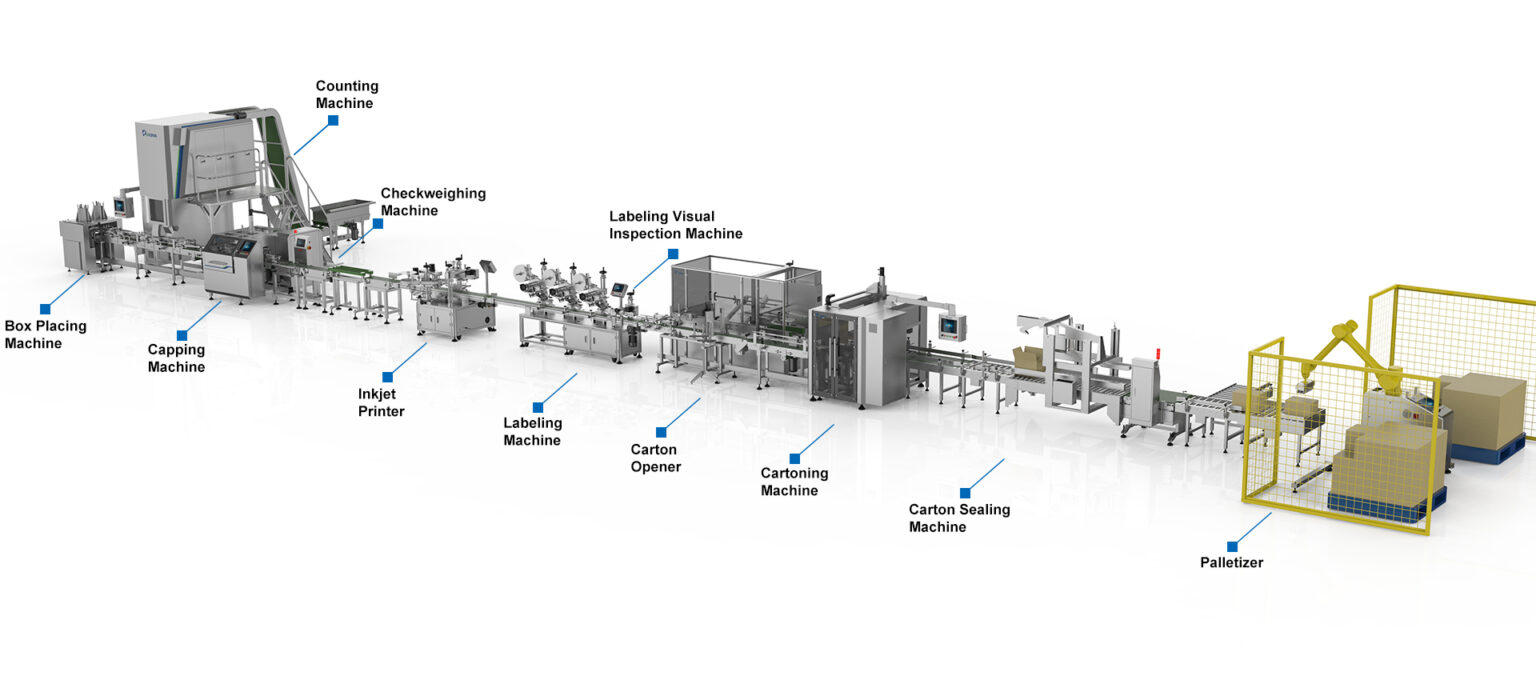
Water soluble film packaging machines have become essential tools in industries such as detergents, cleaning products, pharmaceuticals, and healthcare. These machines allow single-dose packaging using films that dissolve completely in water, providing convenience, safety, and environmental sustainability. One of the critical factors in ensuring efficient operation and high-quality packaging is material compatibility. Both the product being packaged and the water soluble film must be carefully matched to maintain package integrity, dosing accuracy, and machine performance.
Importance of Material Compatibility
Material compatibility plays a significant role in water soluble film packaging. The films used in these machines are highly sensitive to moisture, temperature, and mechanical stress. If the product or external conditions are incompatible with the film, it can lead to premature dissolution, tearing, or deformation. Such issues compromise product safety, dosing accuracy, and overall packaging quality.
In addition to film compatibility, the machine itself must be able to handle the physical and chemical properties of the product. Powders, liquids, gels, and granular materials each have unique flow characteristics, densities, and viscosities. Ensuring that the machine’s feeding, filling, and sealing systems are compatible with these materials is essential to prevent blockages, spills, or inconsistent packaging.
Key Factors in Material Compatibility
A high-quality Water Soluble Film Packaging Machine is designed to manage material compatibility effectively by incorporating precise control mechanisms and adaptable components. The main factors that influence compatibility include product type, moisture content, chemical reactivity, and temperature sensitivity.
For powders, the particle size, flowability, and hygroscopic nature must be considered. Fine powders may clump together or create dust, while hygroscopic powders can absorb moisture from the air, affecting the film. Liquids require careful attention to viscosity, density, and surface tension. High-viscosity liquids may need specialized pumps to ensure accurate dosing, while low-viscosity liquids may leak or spill if sealing is not precise. Gels and pastes often require positive displacement systems to maintain consistency and avoid air pockets during filling.
Chemical compatibility is another critical consideration. Some products may react with the water soluble film, causing discoloration, weakening, or premature dissolution. Manufacturers must select films that are inert or resistant to the specific chemicals being packaged. Similarly, machine components that come into contact with the product should be made of compatible materials, such as stainless steel, to prevent corrosion or contamination.
Film Selection and Machine Adaptation
The choice of water soluble film is central to achieving material compatibility. Films vary in thickness, tensile strength, and dissolution rate, and selecting the appropriate type ensures the package can withstand the filling, sealing, and handling processes. Thicker films provide greater durability for handling larger or heavier products, while thinner films may be more suitable for small single-dose units.
Water soluble film packaging machines are often designed with adaptable feeding, forming, and sealing systems to accommodate different film types. Adjustable tension rollers, precision forming molds, and controlled sealing temperature and pressure help prevent film damage while maintaining consistent package quality. Multi-lane configurations allow simultaneous production of various product types without compromising film integrity.
Ensuring Dosing Accuracy and Seal Integrity
Material compatibility directly affects dosing accuracy and seal integrity. Incompatible products or films may cause misalignment, leakage, or improper filling. Automated monitoring systems in modern water soluble film packaging machines detect anomalies in real-time, adjusting fill volume, sealing temperature, or film tension as needed. This prevents defective packages from being produced, reduces material waste, and ensures consistent quality across production runs.
High-speed machines are particularly sensitive to compatibility issues because minor deviations in product or film behavior can be amplified at large volumes. Selecting the right combination of product, film, and machine settings is essential to maintain both speed and accuracy without compromising performance.
Applications Across Industries
Material compatibility is a critical consideration across multiple sectors. In detergents and cleaning products, powders, granules, and liquids must be matched with films that resist moisture and maintain structural integrity. In pharmaceuticals and healthcare, accurate dosing and sterile conditions are paramount, requiring precise compatibility between sensitive drugs and water soluble films. Industrial chemicals and laboratory products also rely on compatible films and machine components to prevent contamination and ensure safe handling.
Maintenance and Operational Considerations
Maintaining a water soluble film packaging machine for optimal material compatibility involves regular cleaning, calibration, and inspection. Residues from previous batches, film fragments, or product buildup can affect the machine’s ability to handle new materials. Monitoring environmental conditions such as temperature and humidity is essential to prevent premature dissolution or film deformation. Operator training on handling different product types and selecting appropriate films further ensures smooth operation and high-quality packaging.
Conclusion
Material compatibility is a critical factor in the efficiency and reliability of water soluble film packaging machines. The interaction between the product, the water soluble film, and the machine components determines dosing accuracy, seal integrity, and overall package quality. By carefully selecting compatible films, adjusting machine settings, and maintaining optimal operating conditions, manufacturers can achieve consistent, high-quality single-dose packaging. Proper material compatibility enhances productivity, reduces waste, and ensures safety and sustainability across industries such as detergents, pharmaceuticals, healthcare, and industrial chemicals.