

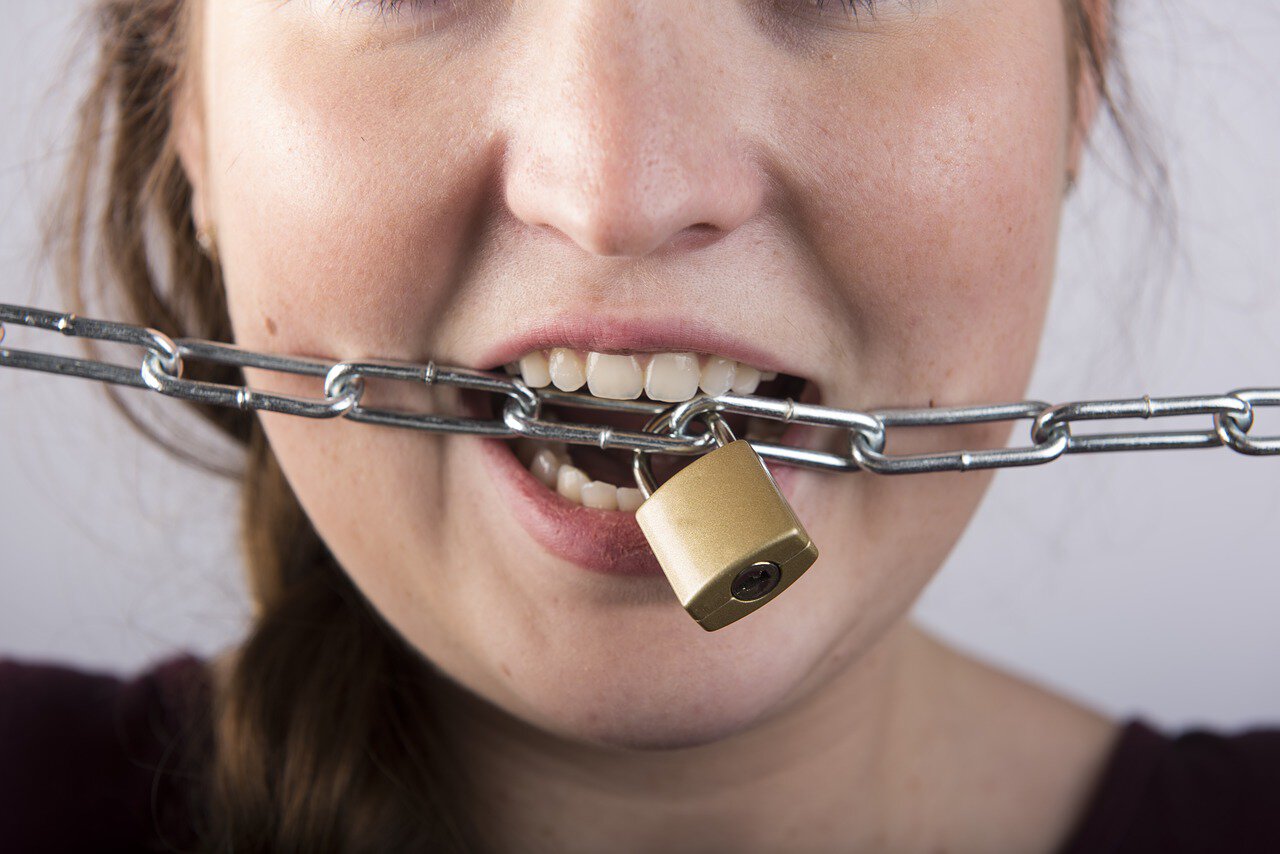
Lock jaw, also known as trismus, is a condition characterized by the limited ability to open or move the jaw. This condition can significantly affect daily activities such as eating, speaking, and oral hygiene. Lock jaw can result from various underlying causes, including trauma, dental issues, infections, or temporomandibular joint (TMJ) disorders. Understanding the symptoms, causes, and available treatment options is essential for effective management and relief.
Common Causes of Lock Jaw
Several factors can contribute to the development of lock jaw:
- TMJ Disorders: Problems with the temporomandibular joint, such as inflammation, arthritis, or joint displacement, can restrict jaw movement.
- Dental Infections or Procedures: Infections in the teeth, gums, or jaw, as well as complications after dental surgery, can lead to trismus.
- Muscle Spasms: Overuse or strain of the jaw muscles, including from teeth grinding or clenching, can cause the jaw to lock.
- Trauma or Injury: Direct trauma to the jaw, head, or neck can lead to restricted movement.
- Medical Conditions: Certain neurological disorders, tetanus infection, or complications from radiation therapy to the head and neck may result in lock jaw.
When the jaw becomes locked, early evaluation by a professional is crucial to prevent worsening symptoms and address the underlying cause. Consulting a qualified specialist ensures appropriate and effective Lock Jaw Treatment tailored to the patient’s condition.
Recognizing Symptoms of Lock Jaw
Symptoms of lock jaw can vary in severity depending on the cause. Common signs include:
- Inability to open the mouth fully or pain when opening
- Jaw stiffness or discomfort around the joint area
- Clicking or popping sounds in the jaw
- Difficulty chewing or speaking
- Swelling or tenderness in the jaw muscles
- Headaches or ear pain associated with jaw movement
Patients experiencing these symptoms should seek professional care promptly, as prolonged restriction of jaw movement can lead to muscle weakness, joint damage, and difficulty with nutrition and oral hygiene.
Diagnostic Approaches for Lock Jaw
Proper diagnosis is essential for effective management of lock jaw. A healthcare professional or dental specialist will typically:
- Review Medical and Dental History: Assess prior injuries, dental procedures, or underlying health conditions.
- Conduct a Physical Examination: Evaluate jaw movement, bite alignment, and areas of pain or muscle tension.
- Order Imaging Tests: X-rays, CT scans, or MRI can help identify structural issues, joint inflammation, or infections contributing to jaw restriction.
- Assess Functionality: Measuring jaw opening range and identifying triggers for pain or locking helps guide treatment.
Accurate diagnosis allows the clinician to determine the most effective treatment plan and prevent complications associated with chronic lock jaw.
Treatment Options for Lock Jaw
Treatment for lock jaw depends on the underlying cause and severity. Common approaches include:
- Lifestyle and Home Care: Gentle jaw exercises, warm compresses, and avoiding hard or chewy foods can reduce muscle tension and improve mobility.
- Dental Appliances: Custom-made splints or mouthguards can help relieve strain on the jaw and prevent teeth grinding that contributes to trismus.
- Medications: Anti-inflammatory drugs, muscle relaxants, or pain relievers may be prescribed to reduce discomfort and inflammation.
- Physical Therapy: Targeted exercises and manual therapy can improve jaw mobility and strengthen surrounding muscles.
- Minimally Invasive Procedures: Corticosteroid injections may reduce joint inflammation in cases related to TMJ disorders.
- Surgical Intervention: In severe cases caused by structural damage, infection, or trauma, surgical options may be considered to restore proper jaw function.
A specialist will often combine multiple treatment modalities to provide comprehensive care and long-term relief.
Preventive Measures and Supportive Care
Preventing lock jaw or reducing recurrence involves adopting consistent habits and addressing contributing factors:
- Avoid overusing the jaw through habits like chewing gum, biting nails, or eating very hard foods.
- Maintain proper posture to reduce strain on jaw and neck muscles.
- Manage stress to prevent teeth clenching or jaw tension.
- Attend regular dental check-ups to identify and address potential TMJ problems early.
- Follow prescribed jaw exercises to maintain flexibility and prevent stiffness.
Integrating these preventive strategies with professional care supports lasting relief and reduces the likelihood of future jaw restriction.
Conclusion
Lock jaw can significantly affect daily life, but early diagnosis and effective Lock Jaw Treatment can restore jaw function and alleviate discomfort. By recognizing symptoms, understanding potential causes, and seeking care from qualified professionals, patients can achieve improved mobility, reduce pain, and prevent long-term complications. Combining professional interventions with lifestyle adjustments and preventive measures ensures optimal outcomes for those affected by lock jaw.