

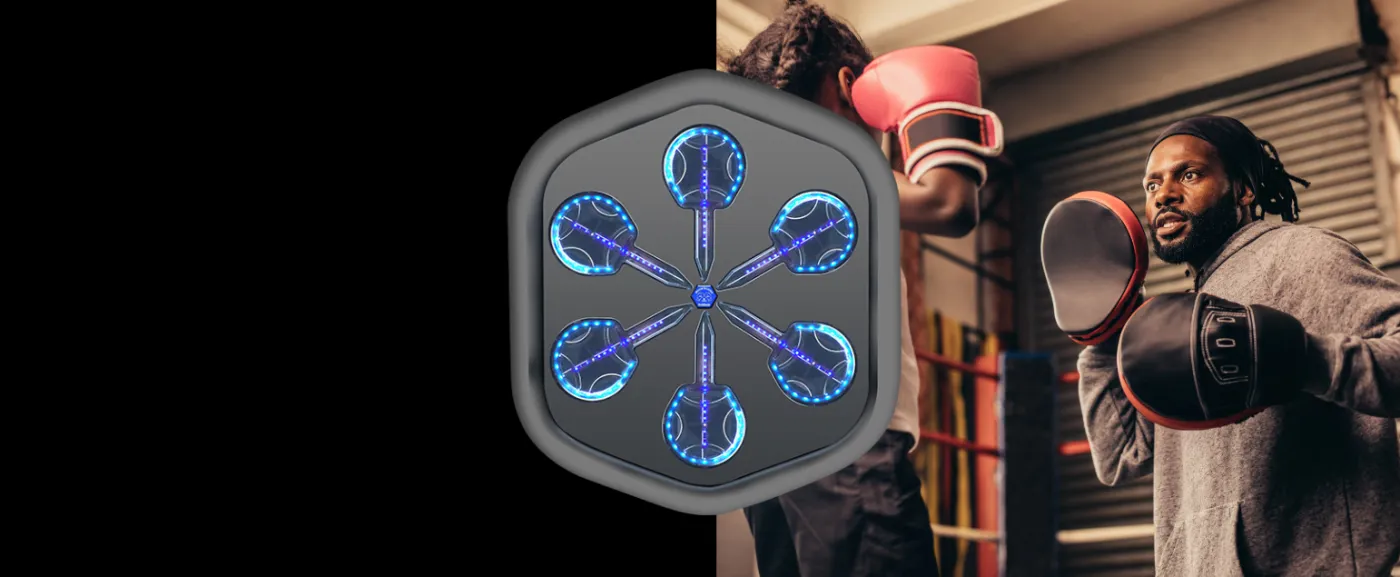
Boxing machines have become increasingly popular for both home and gym settings due to their ability to provide full-body workouts, improve reflexes, and offer engaging, interactive training. Unlike traditional exercise equipment, boxing machines combine strength, cardio, and coordination exercises with gamified features and rhythm-based routines. Whether you are a beginner looking for a fun way to stay active or an experienced athlete aiming to enhance performance, choosing the right boxing machine is essential to ensure safety, effectiveness, and long-term enjoyment.
When evaluating a suitable Boxing Machine for your space, it is important to consider its design, durability, and technological capabilities. Placement of the anchor text in the middle of this paragraph emphasizes the machine’s relevance in optimizing workouts. Modern machines are equipped with sensors to track punch speed, accuracy, and intensity, providing real-time feedback that helps users improve technique and monitor progress. Interactive features, such as scoring systems and rhythm-based training programs, enhance engagement and make workouts both enjoyable and challenging.
Build Quality and Durability
One of the first features to examine is the build quality of the boxing machine. High-intensity workouts involve repetitive punching and quick movements, so a sturdy, well-constructed frame is essential for stability and longevity. Look for machines made with reinforced materials, impact-resistant punching surfaces, and a solid base to prevent tipping or wobbling during exercise. Durability is especially important if the machine will be used in a gym setting with multiple users or for extended training sessions.
Size and Space Considerations
Boxing machines vary in size, and selecting the right dimensions is crucial for safe and comfortable use. Home users need to assess available space, ensuring there is enough room for movement, footwork, and dynamic routines. Gym machines may be larger but often offer adjustable components to accommodate users of different heights and skill levels. Compact and modular designs are particularly useful for small spaces, allowing for maximum flexibility without compromising functionality.
Interactive Features and Technology
Modern boxing machines incorporate advanced technology to enhance workouts. Features like touchscreens, LED displays, and connected apps allow users to track performance, set goals, and follow interactive training programs. Real-time feedback on punch speed, force, and combo streaks encourages consistent improvement, while gamified elements make workouts more engaging. A well-designed interface ensures that users can easily navigate programs, adjust difficulty, and access customized routines.
Customization and Workout Variety
The ability to customize workouts is a major advantage of a boxing machine. Users can select pre-programmed routines, adjust intensity levels, and even create their own training sequences. This flexibility ensures that both beginners and advanced athletes can benefit from the machine. Workout variety also helps maintain motivation over time, preventing routines from becoming repetitive and keeping users committed to their fitness goals.
Music and Rhythm Integration
Many modern boxing machines integrate music and rhythm into training, which helps maintain consistent timing and enhances coordination. Users can punch in sync with beats, improving hand-eye coordination, speed, and agility. Music also boosts motivation, reduces perceived exertion, and makes workouts more enjoyable. Machines that allow custom playlists or rhythm-based training routines provide a personalized experience that appeals to a wide range of users.
Safety Features
Safety should always be a priority when selecting a boxing machine. Look for padded surfaces, secure grips, and adjustable settings to minimize the risk of injury. Machines with stable bases and reinforced structures prevent accidents during high-intensity workouts. Additionally, easily replaceable or cleanable components increase hygiene and usability, particularly in shared gym environments.
Accessibility and User-Friendliness
A user-friendly design ensures that individuals of all fitness levels can operate the machine comfortably. Intuitive interfaces, adjustable height or resistance, and clear instructions allow users to maximize their workouts without frustration. Accessibility features are especially important in home environments, where users may not have immediate guidance or professional supervision.
Conclusion
Choosing the right boxing machine involves careful consideration of build quality, size, interactive features, customization options, music integration, and safety. The best machines provide a combination of physical conditioning, reflex training, and engaging, gamified workouts suitable for both home and gym use.
Investing in a Boxing Machine that meets these criteria ensures a versatile, effective, and enjoyable fitness experience. By selecting a machine that aligns with your space, skill level, and training goals, users can enhance strength, coordination, cardiovascular health, and overall performance while staying motivated and consistent.